The approach
Trust is local.
So is this.
Every community has its own rhythm: where people gather, what they worry about and who they turn to for the real story. Leaflets and official channels rarely reach that layer. Familiar faces do.
So Hyperlocal Everywhere starts by getting to know the place properly, then works alongside the people who already hold its trust. It is a world away from consultancy with a clipboard. Once, it meant a water resilience fairground in a city centre and 25,000 people taking part.
Where the method came from
The poo-brown Capri years

Early in my career I was asked to find the best way to sell former Ministry of Defence homes to local people. The Japanese bank Nomura had bought the MoD's housing stock and, as part of the agreement, was selling a small number of them very affordably to eligible locals.
I covered thousands of miles in my poo-brown Capri, visiting the sites and getting to know the communities. I grew up in a Lancastrian farming village, so I knew who really influenced people in places like these, and I was soon getting to know people in cafés, allotments and bus queues as well as head teachers and parish councillors.
My approach was often to come back with names and contact details for people who were eligible and actively looking for a home, along with the specifics: local employers' canteen notice boards and screens, community bus timetables and the small details you only pick up in person.
I briefed the client on the issues affecting each micro community and its residents. That common-sense, questioning approach delivered good marketing and quick sales.

What really matters
Human, by definition.
The research has to happen on the ground and face to face, and so does the engagement. There is no remote version of finding out who a community actually listens to.
Everything else is drifting the other way. Customer service is run by bots, shopping is digital or self-service, adverts are served by algorithm and your doctor will not see you today. A world that feels increasingly hands off makes actually turning up the unusual thing, and the valuable one.
So Hyperlocal Everywhere turns up. Sit in the café, stand in the bus queue and listen before saying a word about the campaign.
Why now
2026: the year of “insularity”
Global comms agency Edelman called 2026 the year of “insularity”. They didn't mean it as a compliment.
For the past 25 years, Edelman has delivered the Global Trust Barometer, tracking people's trust for politicians, institutions, influential people and the media. The insularity theme was an outcome of their observation that people were not only turning away from the people and bodies that they no longer trust, but also from views that make them uncomfortable.
We know this to be true. You'll see it on (anti)social media, in the press, around you.
But there is good news, too. Because as people turn away from some things they turn towards others. And the things they are now facing into, in which they are predisposed to trust, are their families, their communities and their own places of work.
It is one of the reasons I have been thinking about reviving Hyperlocal Everywhere.
Erika Clegg, founder of Hyperlocal Everywhere
What people care about
Good news. Hope lives close to home.
The Hope Restored research spent a year listening to 50 families across Blackpool, Birmingham, Bristol, Feltham, Manchester, Portsmouth and Southampton. It asked a simple question: what holds? The answer surprised the authors. Hope has not disappeared. It has changed shape.
It has moved closer to home. Family, the house, the street, the corner shop, the chip shop, the local football club, the neighbour who turns up. It is shaped by humour more than uplift, and by reliability more than ambition.
You can hear it in the great British paradox. Talk to someone about the country and they are pessimistic. Talk about their own life and the mood softens: there is a plan, there is a holiday, there is a kid doing well.
So the grand language of hope falls flat. Transform, empower, reimagine, holistic ecosystem: words that describe a process rather than a result. What lands instead is small and checkable. People trust those who take little steps.
That is the method in one line. Find out what people genuinely care about, what they connect with and what they feel hope for, then deliver it at a scale they can see and check, through the people already in their week.
Grand hope, and people switch off
- Transform the system
- Empower communities
- Reimagine the future
- A brighter future for Britain
Ordinary hope, and people believe you
- The lido stays open
- The letter arrives, you owe nothing
- An NHS dentist, taking patients
- £400 off your energy bill, automatically
“When you are in tough times it is the community that makes a difference.”Hope Restored respondent, Portsmouth
Hope Restored, by The Outsiders and Resilience Reconstruction. Based on almost a decade of State of Nation research and 50 Mass Mainstream family interviews.
Why I'm revisiting it
A possible relaunch.
I started Hyperlocal Everywhere because I'd seen how much you learn by being there, getting stuck in, spotting the people and the patterns of life and integrating your approach to them. It's about respect, as much as anything else. I think there's a case for bringing it back, and I'd like to find out who could use it now.
People are trusting less of what comes from far away and more of what sits on their own doorstep. That is exactly where Hyperlocal Everywhere has always worked. If you have something in mind, I'd love to hear about it.
Erika Clegg, founder of Hyperlocal Everywhere
Where it started
A nationwide network, built to be local
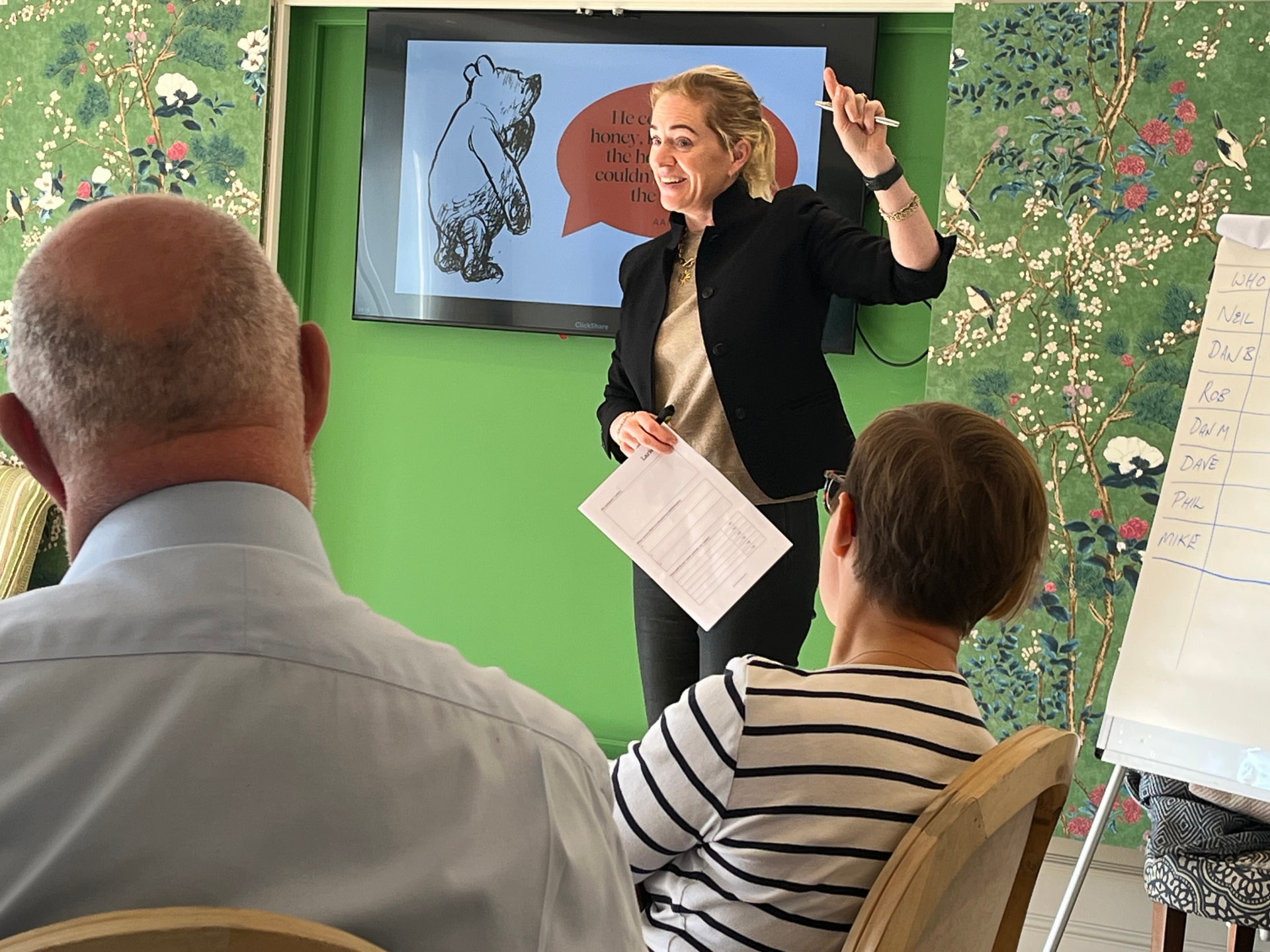
I launched and trademarked Hyperlocal Everywhere when I owned the communications agency Spring. We built a nationwide network of comms agencies to deliver government contracts, allowing central and local policy makers to connect with real people where they belong, in the heart of their communities, through the people they trust most.
Not media barons or online influencers, not the mega-rich or globally connected, but real people they know.
- The nursery nurse
- The mobile hairdresser
- The pub landlord
- The voluntary bus driver
Who it's for
- Councils & public bodies
- Utilities & infrastructure
- Brands launching products
- Charities & community groups
- Developers & planning teams
- Public health campaigns
- Political & issue campaigns